Most ad accounts treat Gen Z like they're just younger Millennials with shorter attention spans. They're not. They're the most advertising-literate generation alive, and they will scroll past your best creative without a second thought—until they've seen enough of you to decide you're worth their attention.
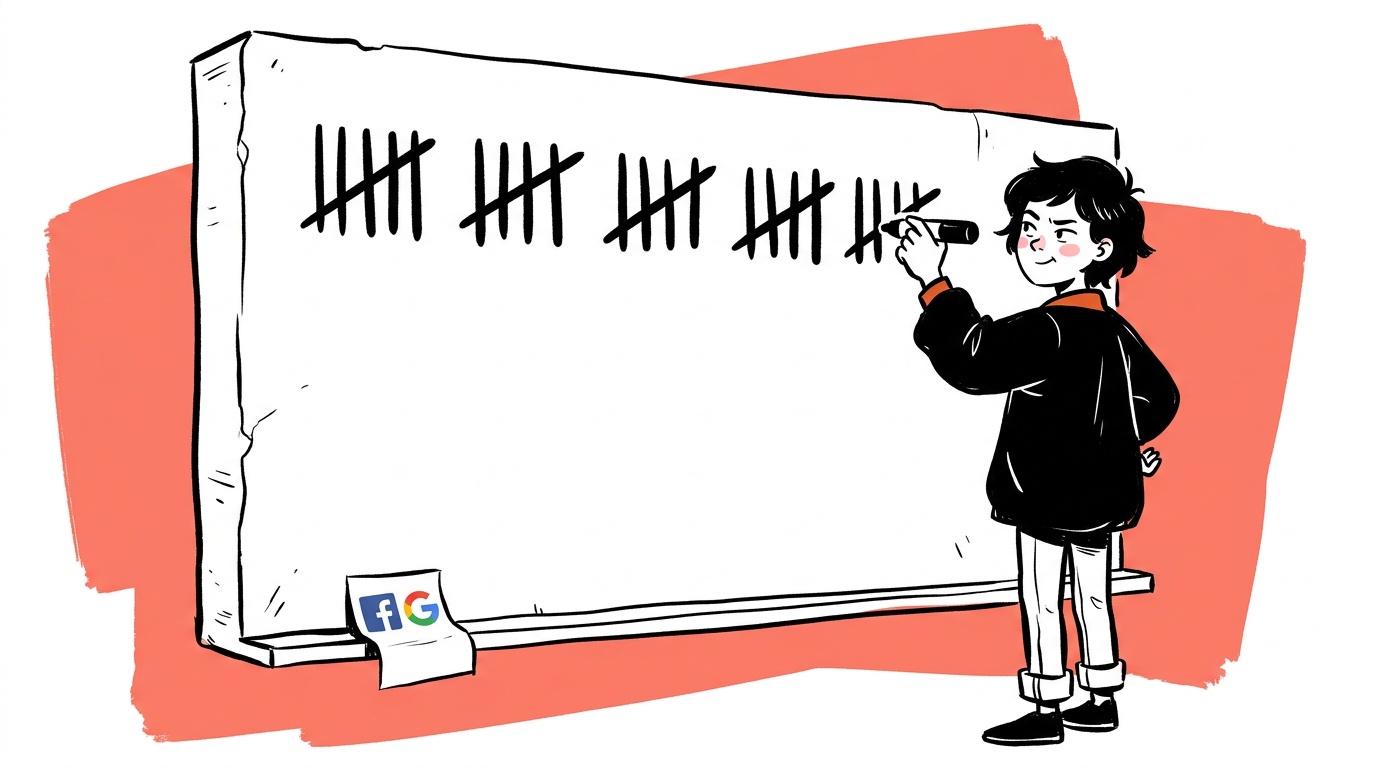
The "11 touchpoints" figure circulating in marketing circles isn't a hard law of physics, but it reflects something real: Gen Z requires significantly more exposure before a purchase decision than older cohorts do. The reason isn't apathy. It's that they grew up inside the attention economy. They pattern-match on inauthenticity faster than any audience segment we've tested against. And they have the most buying years ahead of them of any demographic alive right now—which means the brands that earn their trust early are making a long-term investment, not just chasing a quarterly conversion.
If your current setup is one campaign, one audience, one creative, and a retargeting pool that fires after a single site visit, this post is for you.
TL;DR — Gen Z audience targeting in 5 points
- Gen Z requires more brand exposures before converting than older audiences, making single-touch campaigns structurally underbuilt for this segment.
- They are sensitive to inauthenticity in ways that translate directly to ad performance—creative that reads as corporate tends to underperform with this cohort, not just annoy them.
- A sequenced touchpoint strategy (awareness → consideration → conversion) outperforms a single funnel stage in our testing with younger audiences.
- Platform mix matters more than with any other segment: Gen Z fragments attention across TikTok, YouTube Shorts, Instagram Reels, Reddit, and Discord, rarely converting from a single platform.
- The brands that win Gen Z long-term do it through consistent creative voice across many touchpoints, not through a single viral moment.
Why Gen Z Is Worth the Extra Work
Gen Z—roughly anyone born between 1997 and 2012—is entering its peak spending years. The youngest members are teenagers; the oldest are pushing 30, buying cars, renting apartments, making independent financial decisions for the first time. Unlike the bet on Millennials that advertisers made a decade ago, the Gen Z bet is not speculative. These are real buyers with real budgets, and the cohort represents a growing share of total consumer spending that will only increase over the next two decades.
The structural argument for investing in Gen Z now is compounding trust. A brand that earns a 22-year-old's loyalty today does not need to re-earn it when that person is 35. That's not soft brand theory—it's customer lifetime value math. The cost of acquisition spread across a long relationship is radically cheaper than re-acquiring mid-career adults from entrenched brand loyalties. The skepticism Gen Z brings to advertising is a filter, not a wall: brands that clear it get durable loyalty that's harder to displace than attention bought from older cohorts.
The problem is that most ad infrastructure is not built for this. Most campaign structures optimize for last-click attribution or short conversion windows. Gen Z's buying journey breaks both assumptions.
What "11 Touchpoints" Actually Means for Your Campaign Structure
The specific number is less important than the principle it encodes: Gen Z does not convert on first contact, and designing campaigns that expect them to is a structural mistake.
When we look at audience behavior in accounts targeting younger demographics, we consistently see longer consideration windows, more cross-platform research behavior, and lower immediate conversion rates compared to the same offer shown to 35–44 segments. The gap is not about creative quality. Accounts that have genuinely excellent creative still show this pattern.
What it means practically:
Touchpoints 1–3: Earn the right to exist in their feed. These exposures are not designed to convert. They are designed to be recognized. Short-form video (under 15 seconds), native-feeling creative, no hard sell. The goal is brand familiarity, not action.
Touchpoints 4–7: Establish a point of view. This is where most brands fail. They repeat the same ad. Gen Z notices. Instead, these exposures should add information—a different angle on the same product, a user perspective, a behind-the-scenes format. You are building a case, not hammering a message.
Touchpoints 8–11: Make the ask. By the time a Gen Z prospect has seen you this many times across different contexts, they have already done their own research. Your conversion creative should meet them at that stage: specific, direct, no manufactured urgency.
Counting Touchpoints Across Platforms
One practical problem: there is no unified view of how many times a single user has seen your brand across TikTok, Meta, YouTube, and Reddit. Most advertisers are flying blind on this. A workable proxy is to track it at the campaign level by stage rather than by individual user. Map each campaign to a funnel stage, assign a frequency cap by stage, and treat the sum of stage exposures as your touchpoint estimate. It's imperfect—some users will be overexposed, some underexposed—but it forces the structural discipline of separating awareness from conversion spend, which is the more important change.
Platform Mix: Where Gen Z Actually Lives
You cannot reach Gen Z at scale from a single platform. Their attention is genuinely fragmented in ways that older cohorts' attention is not. A reasonable coverage model looks something like this:
TikTok and YouTube Shorts carry the highest volume of upper-funnel exposure. These are where touchpoints 1–4 realistically happen for most brands. The creative must feel native—not "social media adapted," but actually made for the format, with a hook in the first two seconds that earns the next eight.
Instagram Reels serves a slightly older slice of the cohort and a different usage context (more aspirational, more lifestyle-adjacent). It overlaps with TikTok but does not replace it.
Reddit is underused for Gen Z targeting and frequently outperforms expectations for mid-funnel content. Gen Z uses Reddit for product research in a way that surprises many advertisers. Promoted posts in relevant subreddits can catch buyers deep in the consideration stage. Reddit's own advertising research documents how users treat the platform as a trusted research channel—which maps directly to where Gen Z is in touchpoints 5–8.
YouTube pre-roll (not Shorts, but longer skippable ads) serves a different function: it allows more complex storytelling for audiences already familiar with the brand. This is where you place touchpoints 8–11 creative.
Discord and other community platforms are harder to buy programmatically but matter for awareness in specific verticals (gaming, crypto, creator tools). Organic presence there can substitute for paid if your category is relevant.
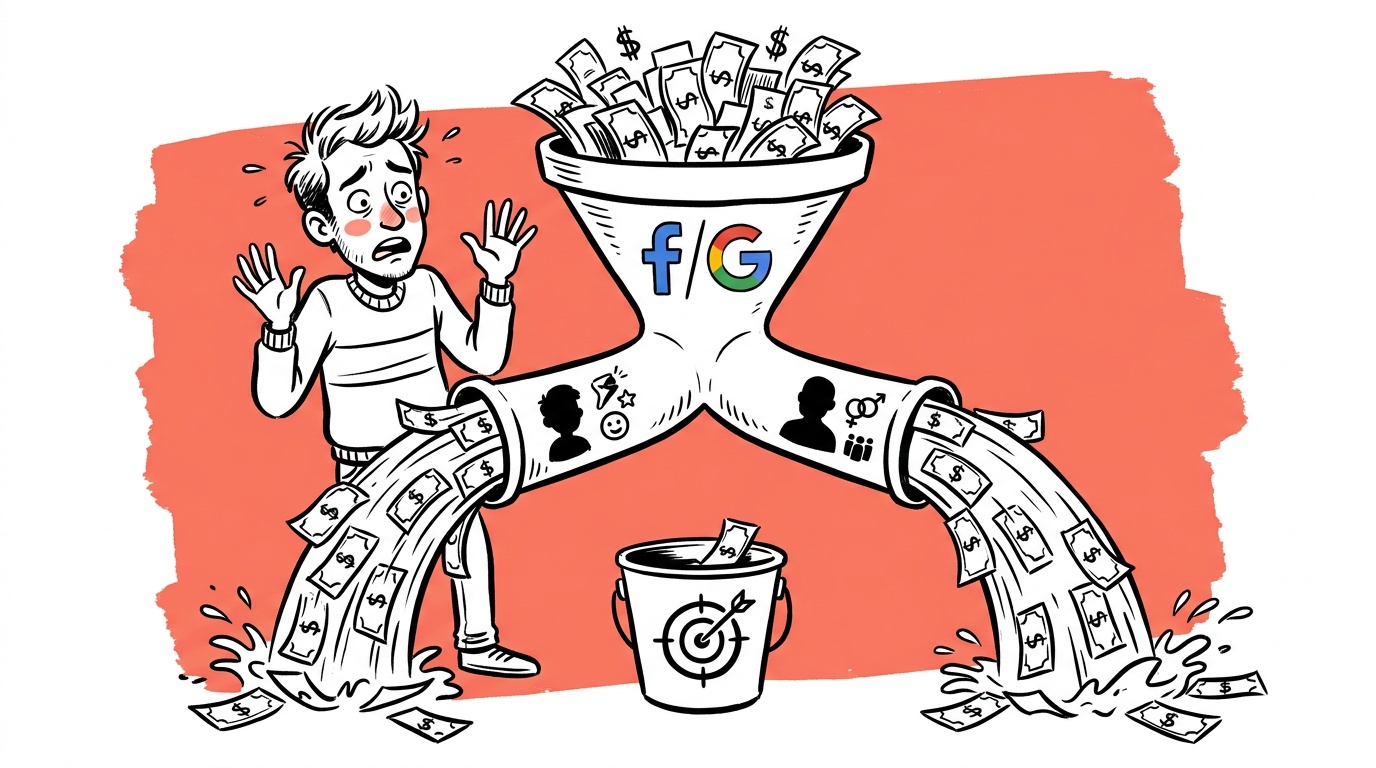
Most ad platforms do not talk to each other natively. If a user sees your TikTok ad three times and then lands in your Meta retargeting pool, Meta does not know about those TikTok exposures. Your "first touch" retargeting creative may land on someone who is already at touchpoint 4. This mismatch is expensive, and it's one of the reasons unified audience management across platforms matters more for Gen Z targeting than for any other segment.

Live today.
The full campaign — copy, images, targeting — generated for your site and deployed paused for your approval.
Creative Direction: What Gen Z Trusts
Gen Z grew up watching brands attempt to "speak their language" and fail. They have finely tuned radar for corporate creative. Here is what we've observed works:
Specificity beats polish. A slightly rough video with a specific, honest claim outperforms a beautifully produced ad with a vague value proposition. "We tested 40 protein powders and this is the only one that doesn't taste like chalk" is more compelling than "Fuel your best self." The roughness signals real—the polish signals budget spent on persuasion rather than product.
Creators over brand accounts. Creator-voiced content—even when paid and disclosed—performs better with Gen Z than brand-voiced content. This is not because Gen Z is naive about sponsorships. It's because a creator endorsement signals that the brand passed a real human's judgment. Research from Nielsen on creator trust consistently shows that peer recommendations, including influencer content, outperform brand-direct messaging across age groups—and the gap is wider with younger audiences.
Transparency is a creative strategy. Showing the product being made, the team behind it, or even the ad budget ("we're a small brand and we spent our whole week's ad budget on this Reel") reads as authentic rather than weak. Gen Z rewards the meta-acknowledgment of the commercial transaction.
Comments are part of the creative. Gen Z reads comments on ads the way older consumers read product reviews. A strong comment section—particularly one where the brand account replies with wit and specificity—extends the persuasive power of the ad itself. This is not something you can buy, but it is something you can design for by seeding the right questions and responding fast.
What Kills Trust Fast
Hard countdown timers. "Limited time" language without a real reason. Stock photo people. Captions that restate exactly what the voiceover says. Any creative that could be a TV ad from 2015 with a TikTok watermark added.
Sequencing Infrastructure: Building the Actual Machine
Running 11 touchpoints manually across platforms is not feasible without some level of automation and audience logic. Here's the architecture that works:
Seed audiences are built from your warmest existing data—customers, email subscribers, site visitors with significant time-on-site. Gen Z prospects who already know you are cheaper to move through the funnel than cold audiences.
Lookalike expansion off those seeds gets you Gen Z cold audiences who share behavioral patterns with your existing buyers. On Meta, this means using value-based lookalikes rather than simple custom audience lookalikes. On TikTok, broad audience targeting with creative-driven signal has outperformed tight demographic targeting in most accounts we've reviewed.
Frequency caps by stage prevent over-exposure at awareness and under-exposure at conversion. A reasonable starting framework: cap awareness creative at three impressions per user per week; allow consideration and conversion creative to run at five to seven impressions per week.
Cross-platform audience exclusions keep you from spending conversion budget on users who have never seen your awareness creative. This requires either a CDP or manual pixel-based exclusion logic, but it is worth the setup cost.
Attribution window alignment is the final piece. Gen Z's longer consideration window means a seven-day click, one-day view attribution window (Meta's default) will undercount the conversions they drive. Test a 28-day click window for campaigns explicitly targeting this cohort, then compare reported versus modeled conversions. The delta tells you how much of Gen Z's contribution your current setup is already missing.
The Long Game: Retention Is the Real ROI
Winning a Gen Z buyer once is table stakes. The compounding value comes from retention—and Gen Z churns fast from brands that stop being interesting after the first purchase.
Post-purchase creative deserves as much investment as acquisition creative for this cohort. That means:
- Onboarding sequences that teach rather than upsell
- Retargeting creative that acknowledges the purchase rather than ignoring it ("you already bought X—here's how to get the most from it")
- Community invitations rather than loyalty points (Gen Z responds to belonging, not points)
- Honest communication when something goes wrong (a shipping delay email written with actual transparency outperforms a template non-apology)
The brands that have built durable Gen Z loyalty—Gymshark, Liquid Death, Duolingo—did it through consistent, specific, often self-aware communication maintained across years of touchpoints, not through a single campaign moment.
FAQ
How many touchpoints does Gen Z need before buying? The commonly cited figure is around 11 touchpoints, though the real answer varies by category, price point, and how familiar the brand already is. The directional truth is that Gen Z needs significantly more exposures than older cohorts before converting, and campaigns designed around a single funnel stage will underperform structurally.
What platforms are best for Gen Z ad targeting? TikTok and YouTube Shorts for upper-funnel awareness, Instagram Reels for lifestyle-adjacent mid-funnel, Reddit for consideration-stage research interception, and YouTube pre-roll for deeper storytelling with warmer audiences. No single platform covers the segment adequately.
Why don't standard retargeting campaigns work well for Gen Z? Standard retargeting assumes a short consideration window and a single-platform journey. Gen Z's path to purchase is longer and cross-platform. A user who has seen your TikTok ads three times before landing in your Meta retargeting pool is not a "new" prospect—but your campaign won't know that unless you've built cross-platform audience logic.
What kind of creative actually converts Gen Z? Specific, honest, low-polish creative outperforms produced brand advertising. Creator-voiced content, transparent brand communication, and ads that read as native to their platform context consistently outperform polished brand campaigns targeting this cohort.
How do I measure Gen Z campaigns if they have long consideration windows? Extend your attribution window beyond platform defaults. Test a 28-day click window and compare against modeled conversion data. Also track engagement metrics (saves, shares, comment sentiment) as leading indicators of purchase intent—they tend to move before conversion data does.
How do I count touchpoints across platforms without a CDP? Map each campaign to a funnel stage and track frequency caps by stage rather than by individual user. Assign awareness campaigns a cap of roughly three impressions per week, consideration at five to seven. The sum of stage exposures gives you a structural touchpoint estimate. It won't be exact at the user level, but it forces the discipline of separating funnel stages—which matters more than the precise count.
What's the biggest mistake brands make when targeting Gen Z? Treating awareness and conversion as the same campaign. Running a hard-sell ad to an audience that has never heard of you is expensive and actively damages brand perception with this cohort. The funnel stages need to be distinct, sequenced, and separated by enough time for genuine familiarity to develop.
Audit your current Gen Z-targeted campaigns and count how many distinct creative touchpoints a cold prospect actually encounters before you ask them to buy. If the answer is fewer than five across all platforms, you're not running a Gen Z strategy—you're running a Millennial strategy at the wrong audience. Fix the sequencing before you fix the creative.
Live today.
The full campaign — copy, images, targeting — generated for your site and deployed paused for your approval.
We build AdControlCenter — AI-powered ad management for small businesses, online stores, SaaS companies and service providers. We write what we'd want to read: real numbers, no fluff, the things we wish we'd known when we started.
More from the team →