The thing nobody admits about AI image generation is that the model isn't the bottleneck anymore. The bottleneck is taste. When you can generate 200 ad-ready images for the price of one stock photo, the question stops being "can we afford to test this variant" and starts being "do we have the judgment to pick the right one out of 200?"
This is what we've learned shipping a few thousand AI-generated ads in the past nine months.
A 100-image creative test in 2023 cost about $20,000 in design time and a month of calendar. The same test in 2026 costs about $40 in API fees and runs in an hour. The constraint moved from production to evaluation.
What works in 2026
Three categories where AI image generation reliably beats the alternative:
- Backgrounds and contexts. A product on a desk, a service in a kitchen, an app on a phone in a coffee shop — these were stock-photo territory. AI nails them, with infinite variation, at trivial cost.
- Brand-tonal exploration. Generating 30 variants of "the same product with subtly different mood" was prohibitively expensive in human-design terms. Now it's the default first step of every campaign we run.
- Localization at scale. Same ad, 12 cultural contexts, 12 visual treatments. The post-production team that used to do this is now obsolete for ad work.
What still fails in 2026
A short list, because honesty is more useful than salesmanship:
- Hands. Always. Every model. Yes, it's better than 2023. No, it's not solved.
- Long text inside images. Three to five words usually render correctly. A whole headline still hallucinates.
- Specific recognizable products. If your product has a distinctive shape (a particular bottle, a specific dashboard layout), the model will approximate it but not nail it. Use real product photography for that and AI for the surroundings.
- Multi-character scenes with consistent identities. Two people in a frame, looking at each other, both in your brand colors — this works maybe one in eight tries.
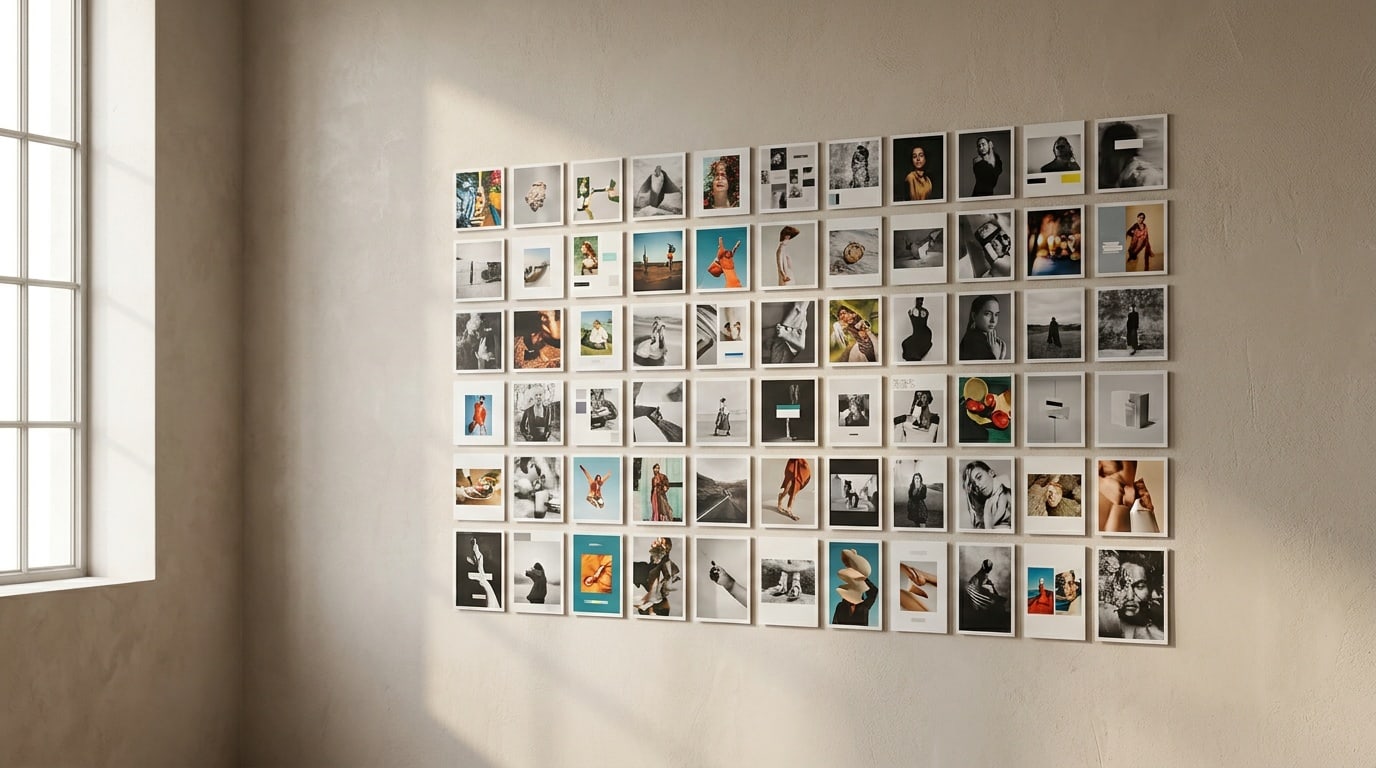
The moodboard system we built
The single biggest leverage we've found is treating prompts like reusable assets, not one-off invocations. The pattern:
- Brand brief in plain English. One paragraph: who, what, voice, palette, what to avoid.
- Moodboard images. 5–10 reference photos that describe the desired feel.
- Per-ad prompt. Builds on the brief + moodboard, adds the specific scene/subject for that ad.
- Output triage. Generate 8 variants, keep the 2 best, discard the rest.
The key insight: the brand brief and moodboard are reusable across hundreds of ads. The marginal cost of a new variant drops to just the per-ad prompt.
Prompt engineering for ads is mostly prompt re-use. The first hour designing a brand-stable prompt template is worth more than the next hundred hours generating individual variants.
Live today.
The full campaign — copy, images, targeting — generated for your site and deployed paused for your approval.
Prompt patterns that consistently produce ad-shaped output
Three patterns we use across most generations:
Pattern 1: Editorial photography frame. "Editorial photograph of [subject], [setting detail], soft warm window light from the [direction], shallow depth of field, magazine-quality composition, [palette description]." Reliably produces ad-suitable visuals across most subjects.
Pattern 2: Negative-space first. Always specify where the negative space goes ("composition with empty space on the right for overlay text"). Gives you a frame the copywriter can land on without re-cropping.
Pattern 3: Constraint stacking. Every prompt should specify what NOT to include. "No text on screens. No people staring at camera. No stock-photo aesthetic." These constraints save 30–50% of the variants that would otherwise need to be discarded.
What this means for ad operators
The shift from "design a campaign" to "generate, evaluate, iterate" is a shift in skill, not just tool. Operators who got good at briefing designers now need to get good at briefing models. The brief shape is similar but the iteration speed is 100x faster.
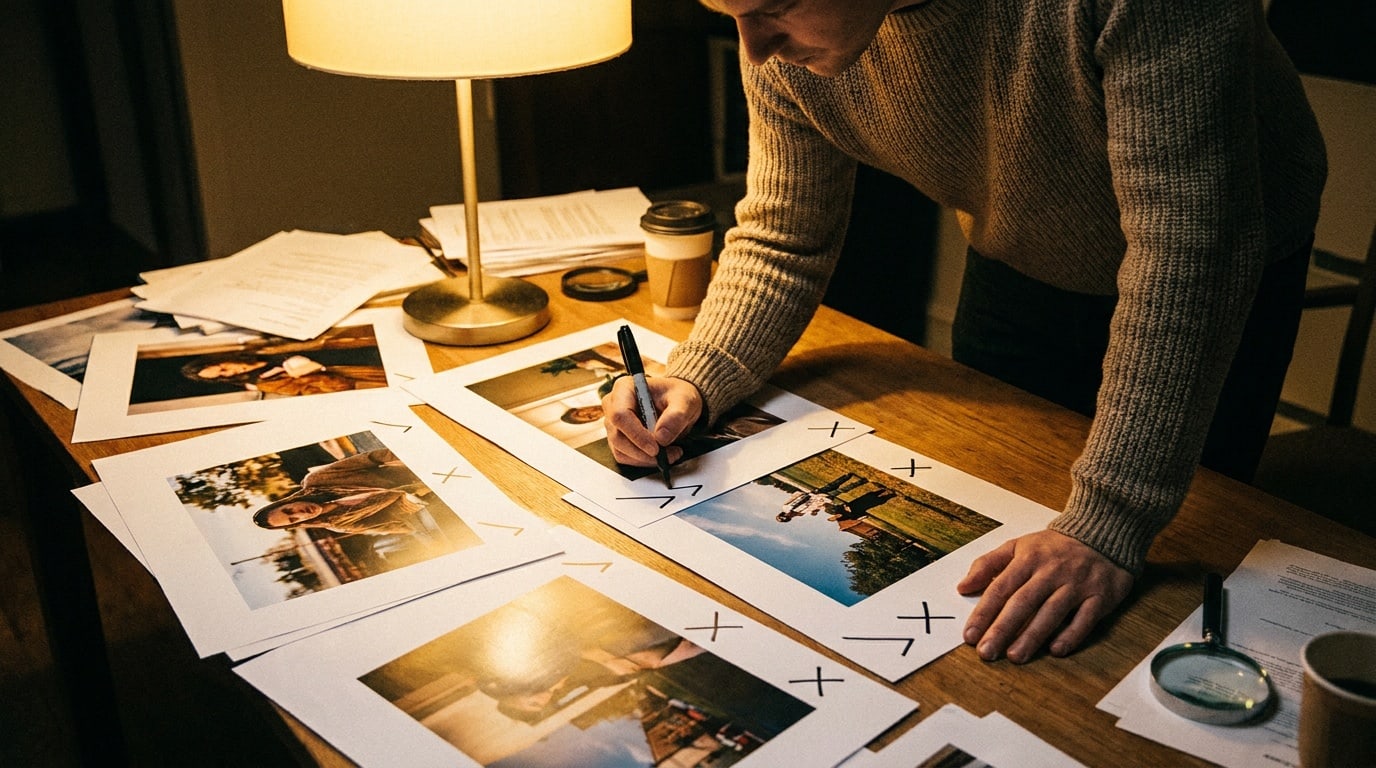
That speed is dangerous if you don't have an evaluation framework. A team that generates 200 variants and ships the first 5 that look "fine" has not made better creative — they've made faster mediocre creative. The teams that win are the ones who generate 200, score them against a criteria sheet, and ship the top 3.
The contrarian bet
We expect the next generation of "AI advertising tools" to focus heavily on this — automated scoring of generated creative against brand fit, conversion-likelihood prediction, and multi-armed-bandit testing. The vendors that crack evaluation will eat the lunch of the ones that just generate.
What to ship first if you're starting now
A starter checklist:
- Write your brand brief in one paragraph. Concrete, opinionated, tells the model what NOT to do as much as what to do.
- Generate 8 variants of one specific ad. Score each on brand fit (1–5) and conversion likelihood (1–5).
- Ship the top 2. Compare against your previous human-designed control.
- After 14 days, decide if AI is winning, losing, or tied. Iterate the brief based on what you learned.
If you do that loop three times, you'll know more about AI image generation for your specific account than 90% of the operators currently shipping AI ads. The insight comes from the loop, not from the model.
Live today.
The full campaign — copy, images, targeting — generated for your site and deployed paused for your approval.

We build AdControlCenter — AI-powered ad management for small businesses, online stores, SaaS companies and service providers. We write what we'd want to read: real numbers, no fluff, the things we wish we'd known when we started.
More from the team →